
Let’s get it sorted.
Featured guidance
Guidance for the collection of sWEEE
From April 2026, all workplaces will be required to present sWEEE separately for collection for recycling
The Workplace Recycling Regulations require workplaces in Wales to improve the way they recycle.
The requires all workplaces, including businesses, public bodies and the third sector, to separate these recyclable materials from their general waste.
- Food leftovers or waste generated by food preparation
- Paper and card such as old newspapers and envelopes, delivery boxes and packaging
- Metal, plastic, and cartons and other similar packaging (for example coffee cups)
- Glass such as drinks bottles and food jars
- Unsold textiles such as clothing and non-clothing
- Unsold small Waste Electrical and Electronic Equipment This is changing in April 2026 and all workplaces will be required to present sWEEE separately for recycling - Guidance for the Collection of sWEEE
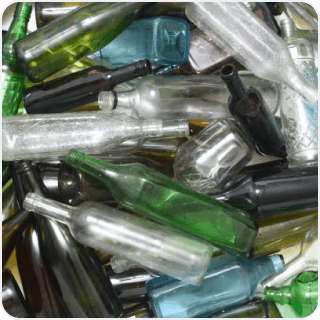
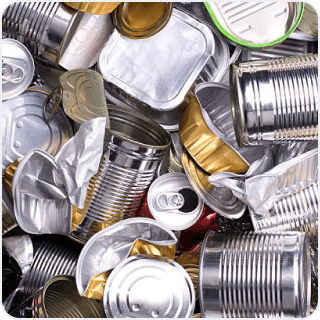
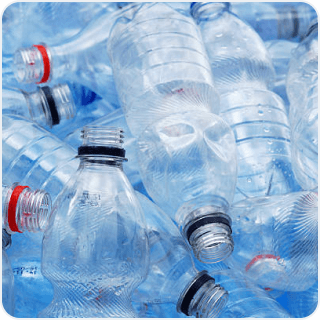
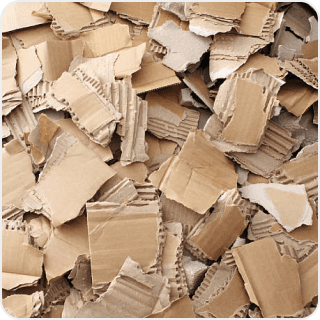
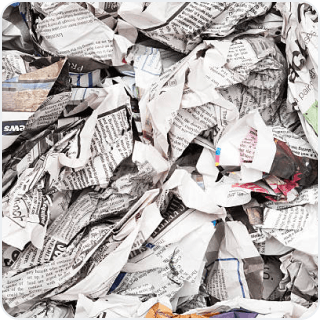
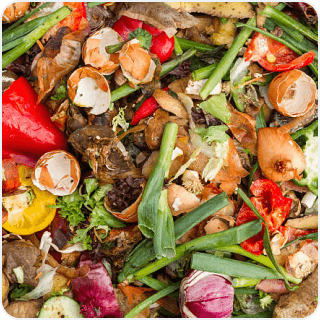
It’s compulsory for businesses to arrange a separate collection of these materials, so they can be recycled efficiently.
Useful Resources
We've got a range of resources to help you, including posters, templates and recordings of previous sector specific webinars.
Useful Resources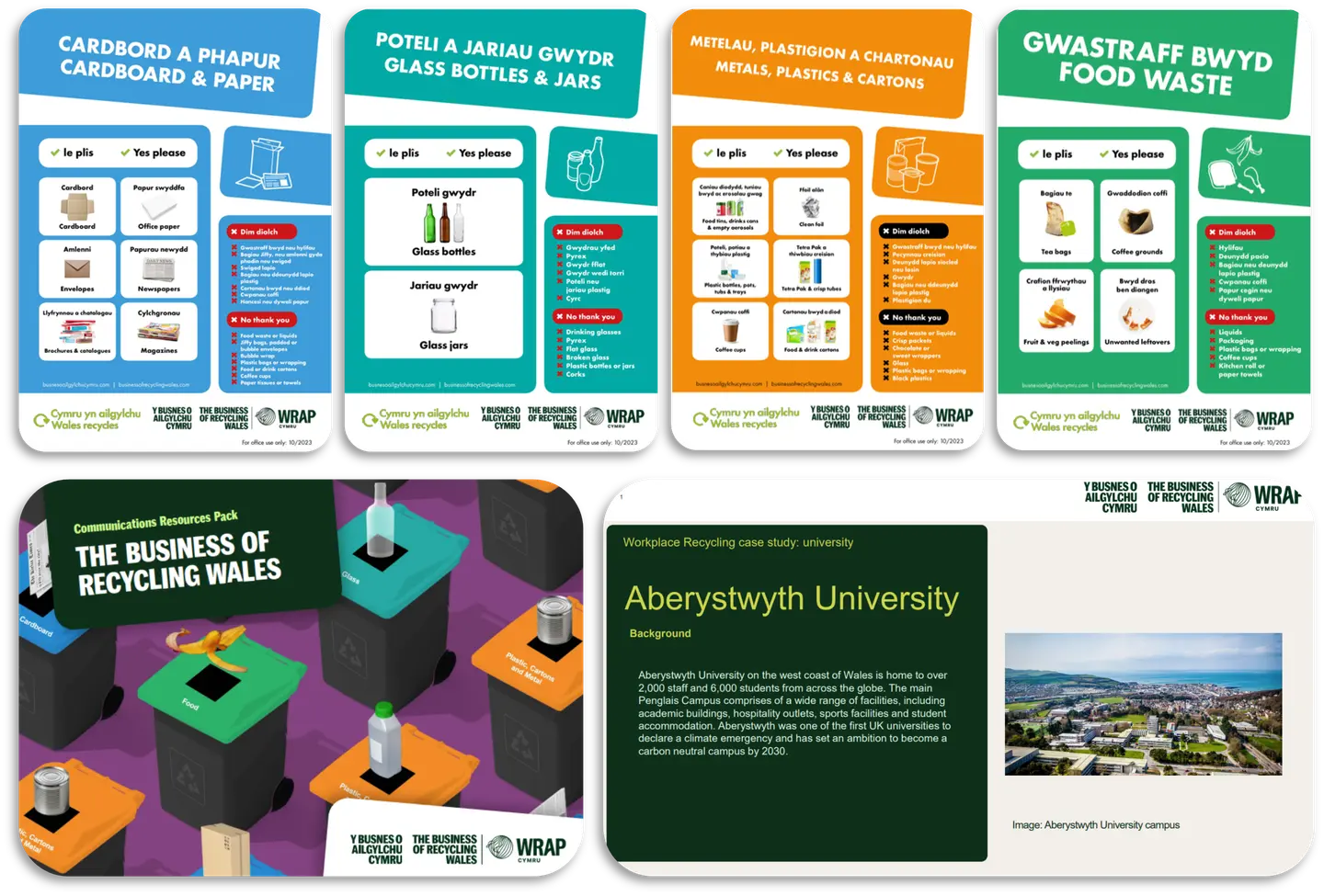
Ready to get started?
Guidance to ensure your workplace is fully compliant
The guidance should be read in conjunction with the Separate Collection of Waste Materials for Recycling: A Code of Practice for Wales.
Wales is currently second in the world when it comes to recycling waste from households.
The aim is to build on the success of household recycling and ensure high recycling rates across workplaces too.
The benefits of increasing recycling are that it:
increases the amount and quality of recycling that can then be used by Welsh manufacturers
supports workplaces to reduce their waste
reduces carbon emissions
helps the economy to create a greener Wales
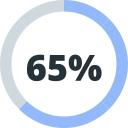
65% recycling rate
of waste material collected by our local authorities

400,000 tonnes
of carbon emissions saved each year